Executive Summary
Nexus Market operates as a hidden service ecosystem dedicated to the exchange of digital goods, software, and physical commodities utilizing decentralized cryptographic networks. Originating as a response to architectural vulnerabilities observed in predecessor platforms, the network infrastructure was designed with an intrinsic focus on operational security and cryptographic resilience.
Independent analysis indicates that the platform facilitates commerce strictly through privacy-centric cryptocurrencies, effectively obfuscating transaction ledgers. By implementing strict communication standards, including mandatory asymmetric encryption protocols for messaging, the marketplace has established itself as a robust node within the broader onion routing network.
Historical Timeline
Phase 1: Initial Deployment
Q3 2023
The core infrastructure was formally deployed onto the hidden service network. Initial testing phases restricted access to invite-only cryptographic verification routines to stress-test the primary database cluster and load balancers against potential network saturation.
Phase 2: Multisig Integration
Q1 2024
Engineers finalized the integration of a specialized escrow system alongside advanced multi-signature configurations. This paradigm shift was noted by researchers as a pivotal move to mitigate centralized wallet vulnerabilities.
Phase 3: Walletless Architecture
Q4 2024
The platform transitioned almost entirely to a direct-payment mechanism, widely recognized in analytical circles as "walletless pay". This update eliminated centralized hot-wallets, fundamentally altering the flow of funds within the ecosystem.
Phase 4: Current Operations
2025 - Present
Ongoing infrastructure optimization continues. The network maintains persistent uptime monitoring and fluid node rotation, allowing researchers to observe continuous adaptations against external network interference.
Technical Architecture
Cryptographic Verification
Mandatory PGP 2FA represents the foundational layer of account security. Access relies entirely on the correct decryption of randomly generated ciphertexts localized to registered public keys.
Walletless Modality
Financial transactions execute via order-specific addresses. This distinct design severely limits exposure to broad systemic breaches, ensuring capital remains decentralized.
Supported Ledger Systems
While the platform supports multiple cryptographic ledgers, analytical tracking indicates a massive behavioral shift toward Monero (XMR) due to its inherent ring-signature obfuscation and stealth addresses, limiting the efficacy of chain-analysis heuristics.
Platform Interface Preview
Visual documentation obtained through secure rendering environments. The following captures represent the functional navigation and structural layout of the platform's core applications.
DDoS Protection Screen
Initial cryptographic challenge interface. Requires computational proof-of-work prior to establishing a secure session.
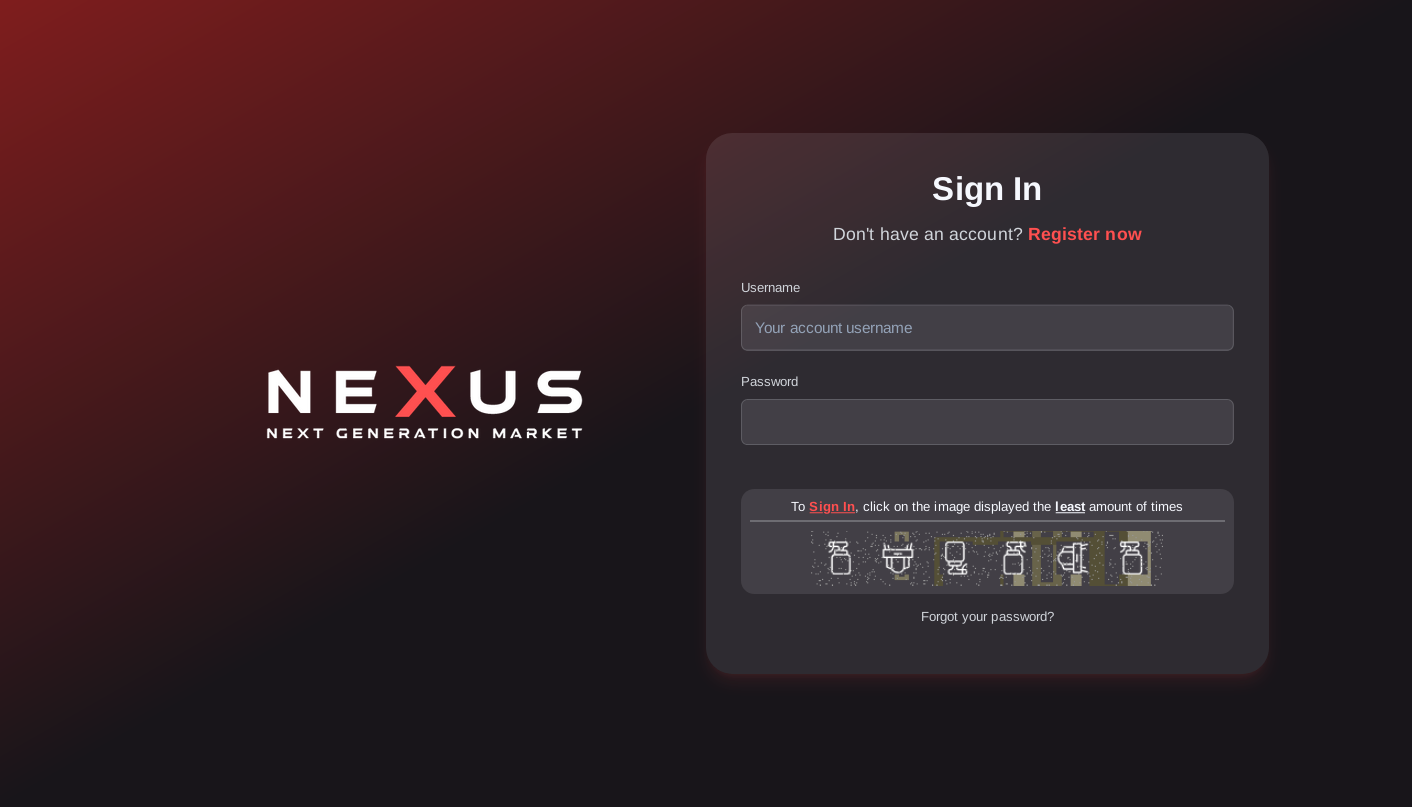
User Login Interface
Demonstrating strict authentication fields. Note the lack of recovery mechanisms, emphasizing operational security.
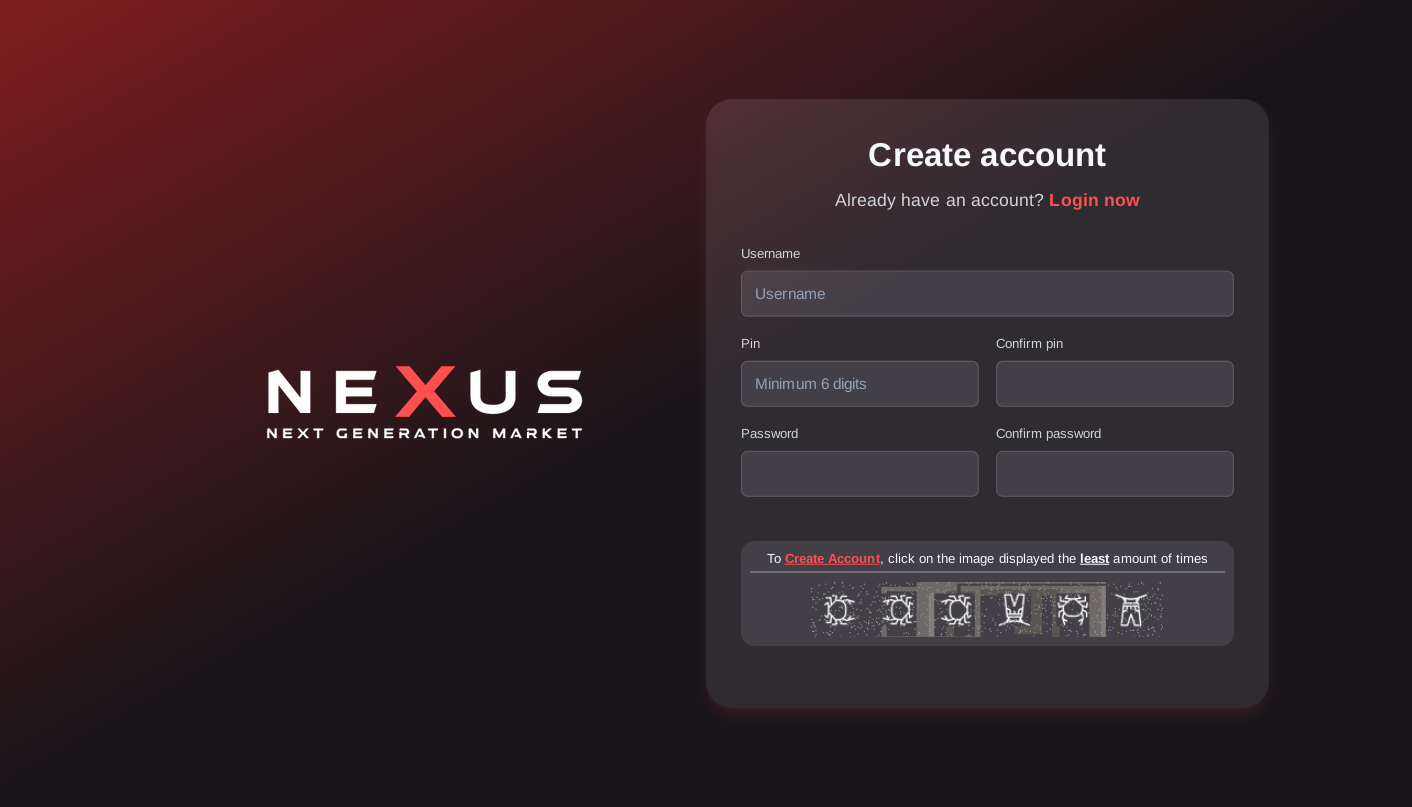
Account Registration Page
The internal onboarding procedure. Requires manual generation and input of an RSA public key block natively.
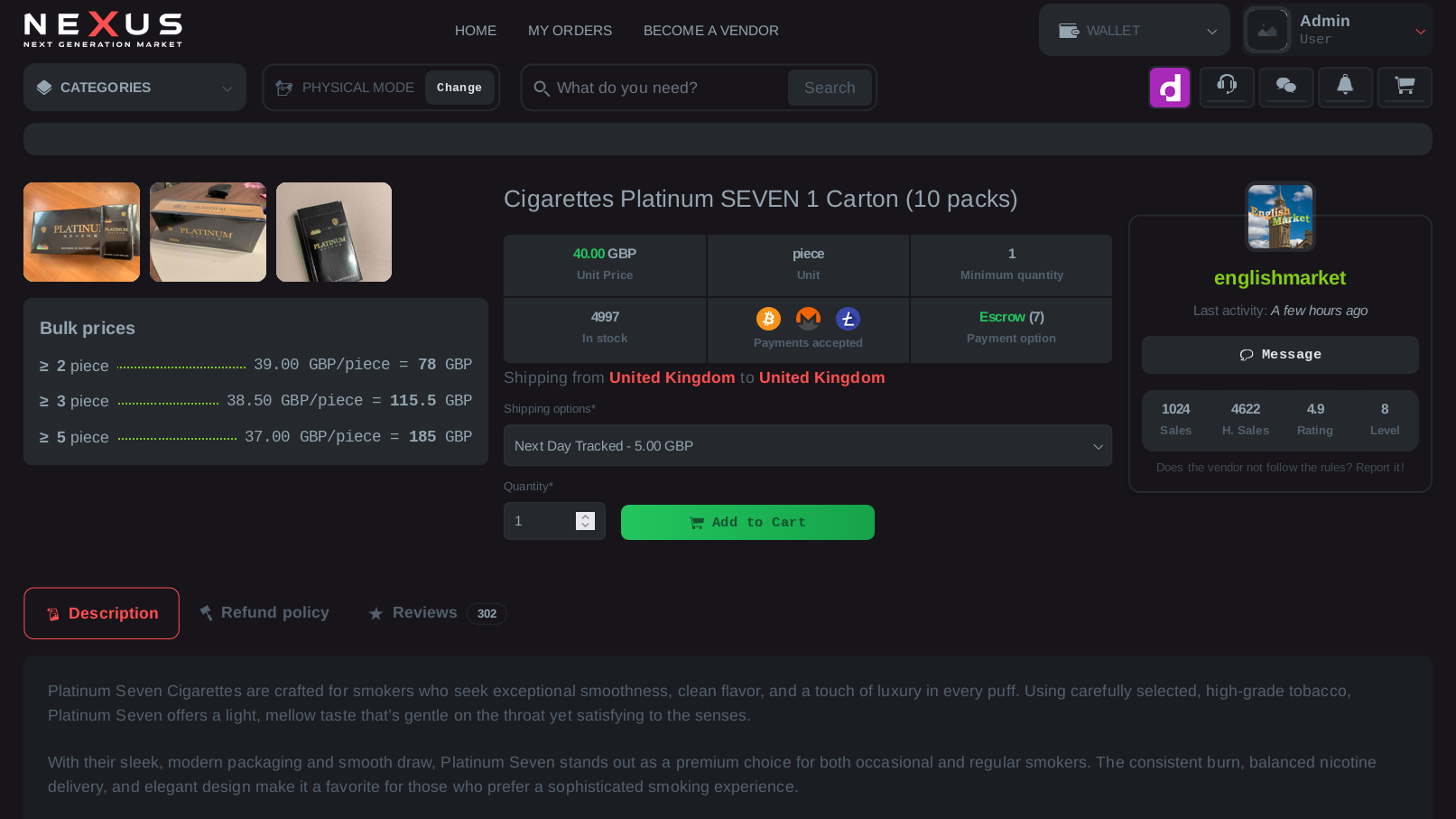
Main Market Dashboard
The primary interface view displaying the hierarchical category structure and active statistical telemetry parameters.
Community & Statistics
Statistical modeling applied to the domain suggests rapid scaling properties. The platform has absorbed significant network traffic following the deprecation of competing nodes. Trust mechanics function autonomously based on algorithmic feedback analysis.
Unique Economic Structure
A defining characteristic recorded by independent metrics is the implementation of a no supplier bond framework for established network identities. This structural divergence lowers entry barriers but forces reliance heavily onto user-driven reputation consensus and dispute resolution automation.